Soft Shackles — The Saber Offroad Guide (and Why Not All Shackles Are Created Equal)

Soft Shackles — The Saber Offroad Guide (and Why Not All Shackles Are Created Equal)

Soft shackles have revolutionised vehicle recovery. They're lighter, safer, and easier to handle than traditional steel shackles — but they're not all built the same. In this guide, Saber Offroad breaks down what makes a great soft shackle, how to use and maintain them, and why our SaberPro™ Fibre gives our range unmatched performance in the field.

1. What Is a Soft Shackle?

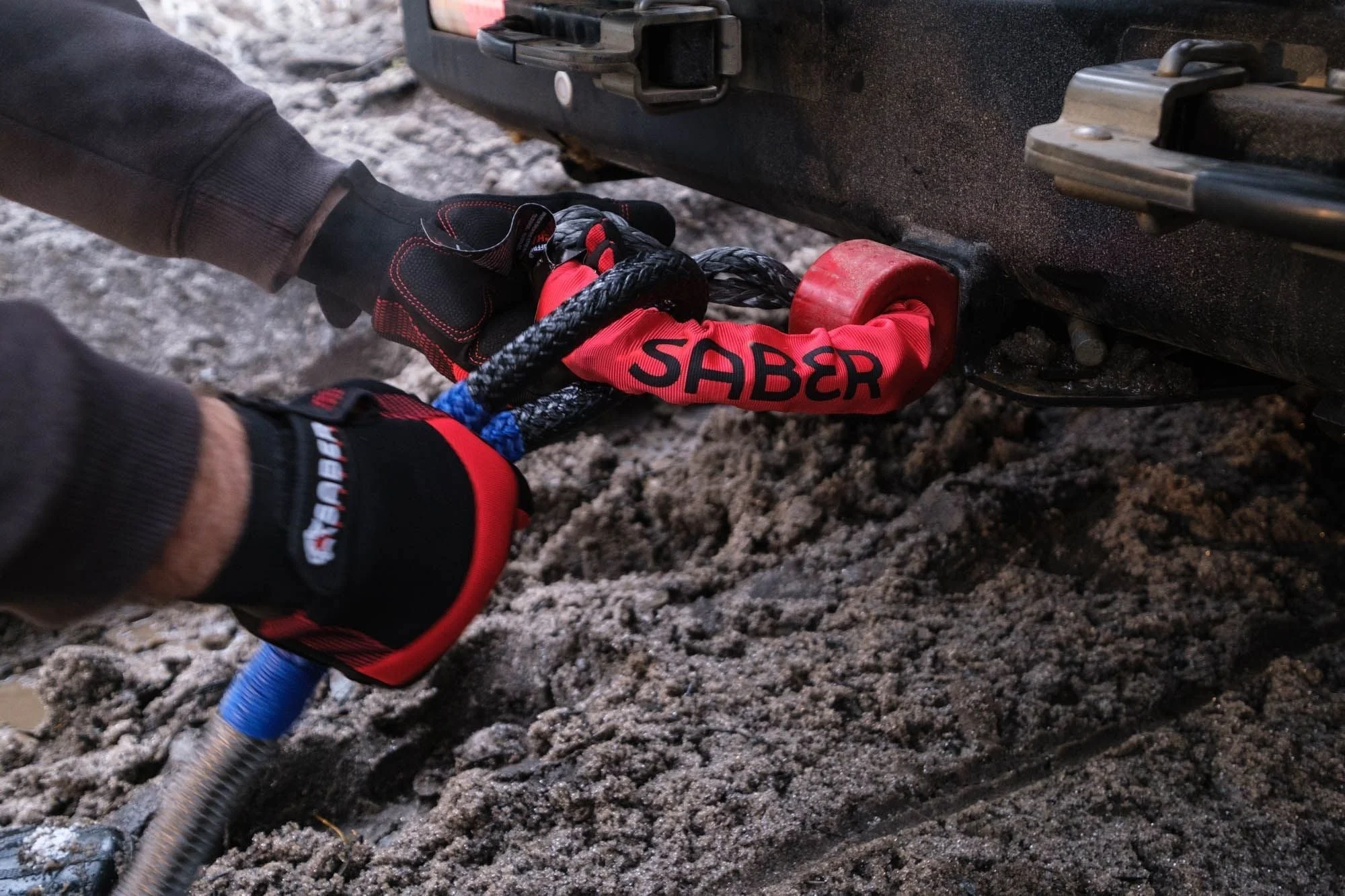
A soft shackle is a closed loop made from ultra-high-strength synthetic rope — most commonly UHMWPE/HMPE (High Modulus Polyethylene) — spliced and knotted to create a lightweight alternative to a steel bow shackle. Because they're soft, flexible, and extremely strong, they reduce risk in a recovery failure scenario and make rigging faster and safer.

2. Key Advantages Over Steel Shackles

  • Lightweight & Safe: A fraction of the mass and inertia of steel, reducing the danger of projectiles during a failure.
  • Non-damaging: No hard edges — perfect for synthetic winch ropes or powder-coated recovery points.
  • Floats: Easier to find in muddy water or sand.
  • Compact & Versatile: Easy to store, quick to deploy, and adaptable to unusual anchor points.

3. Sizing & Selecting the Right Shackle

When choosing your soft shackle, consider:
  • Breaking Strength (MBS): Choose one that exceeds the maximum expected load for your vehicle.
  • Diameter: Thicker shackles generally offer more durability and stiffness.
  • Abrasion Protection: Look for true protective sleeves — not just cosmetic coverings. Depending on level of use, consider Saber's HDX range for longer service life.
  • Testing & Certification: Only buy shackles with NATA verified lab results and batch traceability.
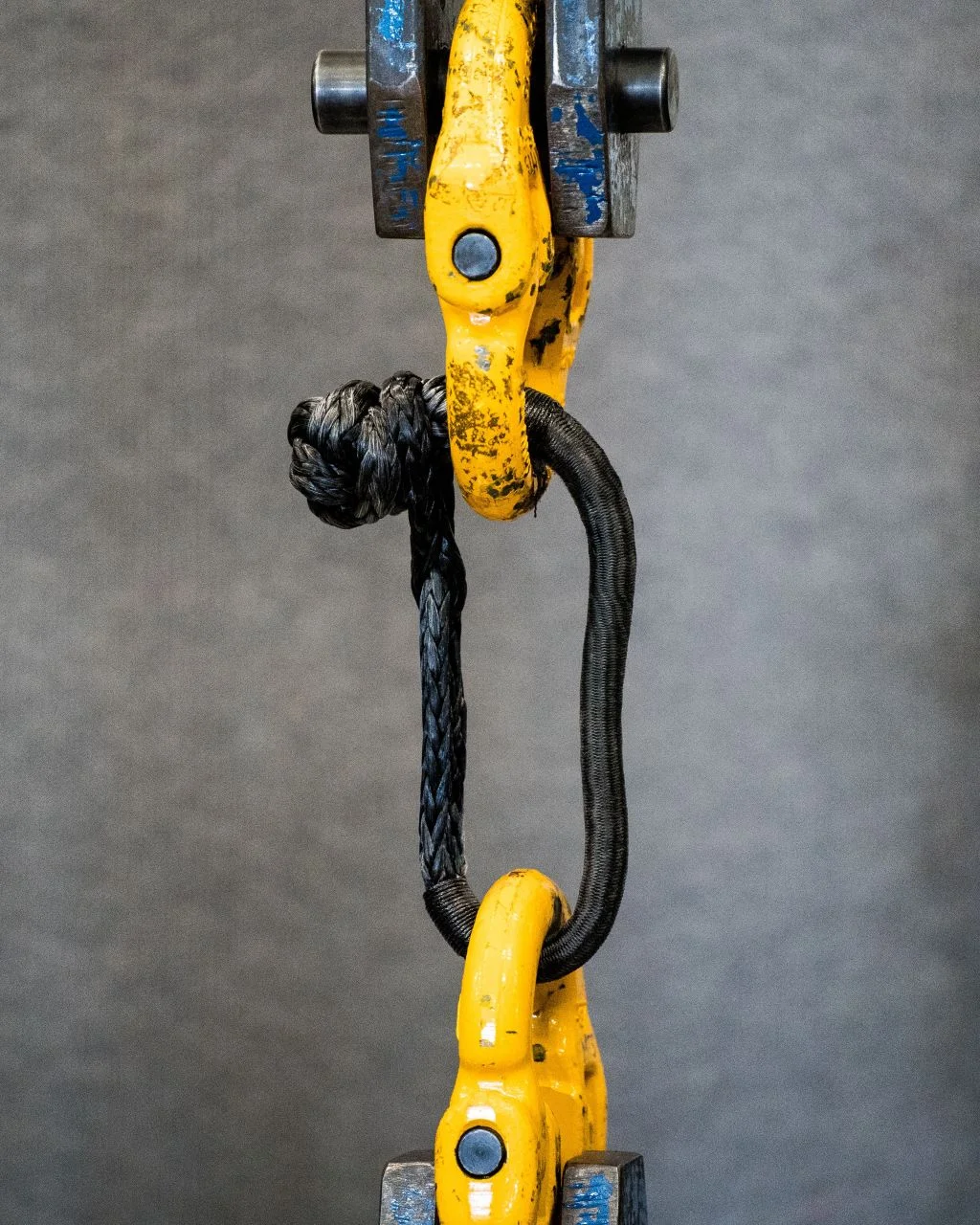
Saber soft shackle rigged into a yellow hydraulic pull-test machine ahead of a destructive breaking-strength test

4. Using Soft Shackles Safely

  • Inspect before every use. Check for nicks, cuts, and wear.
  • Clean out sand or grit before loading.
  • Attach through rated recovery points — never a tow ball.
  • Seat the knot properly and away from the recovery point before applying tension.

5. Maintenance, Myths & Longevity

Let's clear up a few common misconceptions:

Myth: Soft shackles lose 5% strength per year. Fact: Strength loss depends on UV, abrasion, and overload — not age. Stored correctly, they can last years. According to a study on the long-term stability of UHMWPE fibers, it would take 36 years for the tensile strength of this UHMWPE yarn to fall by 30% at 43°C.

Myth: They're weaker when wet. Fact: UHMWPE fibres don't absorb water; wet strength remains effectively unchanged. Yes — we tested for this too.
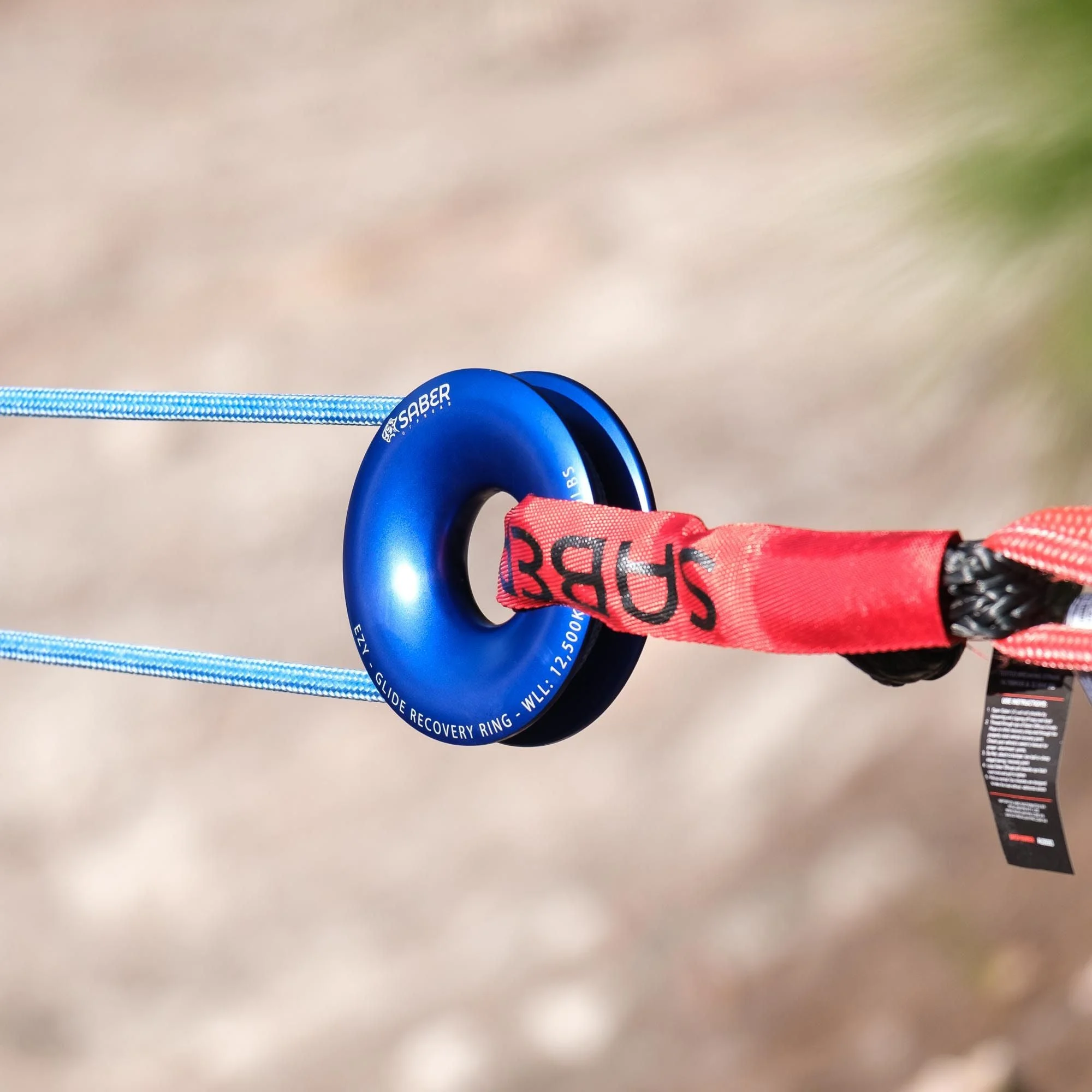
Saber Ezy-Glide recovery ring in blue with a red soft shackle attached, rigged between two lengths of light blue rope

What really matters: avoid UV, chemicals, sharp edges, and excessive heat. Rinse after use, dry in shade, store clean, and retire any shackle showing damage.

6. When to Retire a Soft Shackle

  • Visible cuts, deep abrasion, or exposed inner fibres
  • Deformation
  • Loose or distorted knots/splices
  • Heat or UV damage

Safety gear is replaceable — people aren't.

7. SaberPro™ Fibre — Strength Starts at the Core

At the heart of every Saber Offroad soft shackle is SaberPro™ Fibre, our proprietary HMPE blend engineered for maximum strength, durability, and stability.

  • Hydrophobic — no wet-strength loss
  • Superior UV resistance through superior coatings — built for the Australian sun
  • Exceptional fatigue resistance under repeated load cycles (yes, we cyclic test our shackles)
  • Enhanced heat and creep performance for long-term reliability

Each batch is independently tested in a NATA approved facility in Australia for breaking strength — ensuring consistent, tested strength and quality.
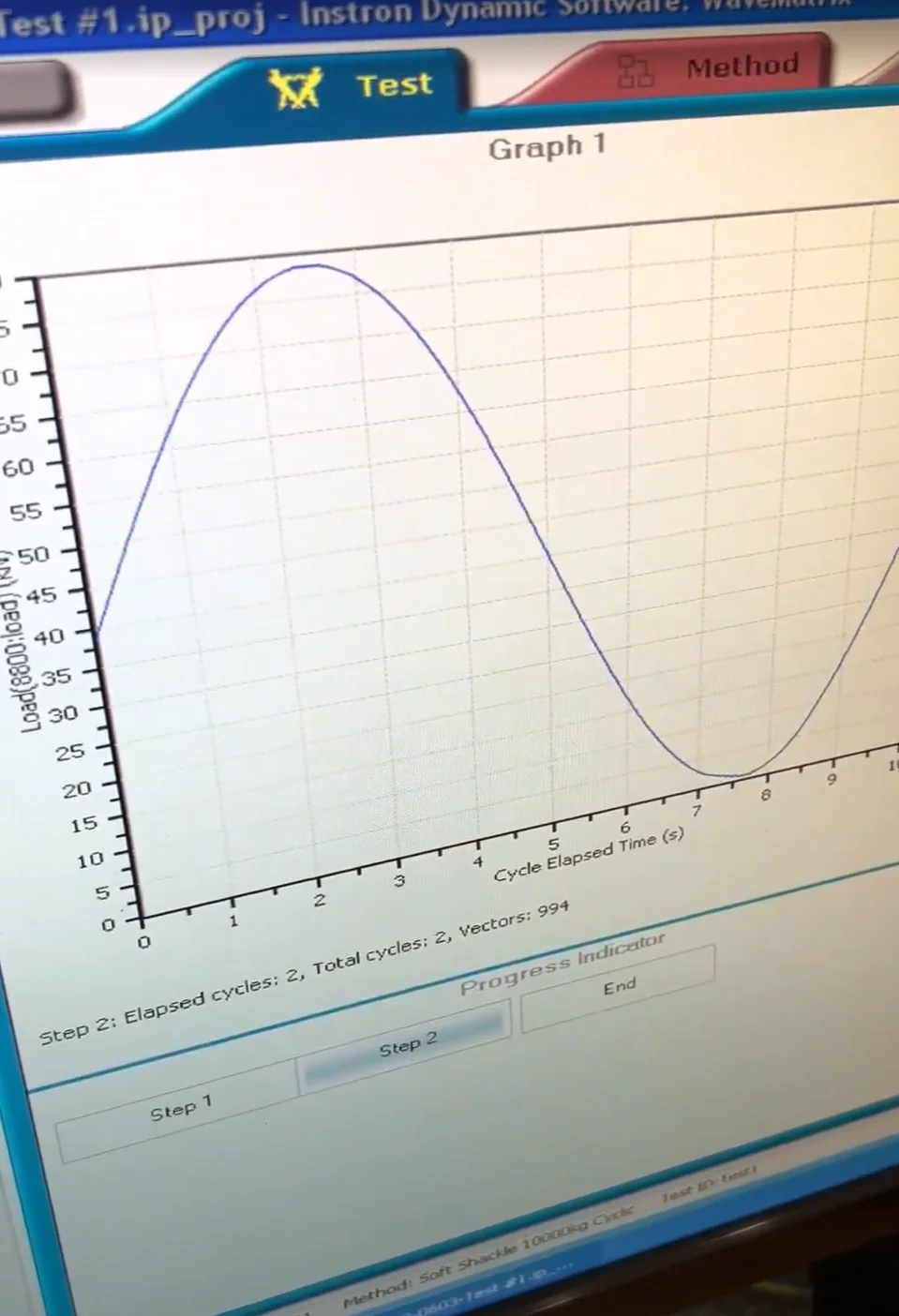
Load-versus-time graph on lab test software showing a soft shackle's cyclic fatigue test results

8. Not All Shackles Are Created Equal

Cheaper shackles often mean hidden compromises:

  • Generic or recycled fibres with unpredictable strength
  • Inconsistent splicing tension or over-tight knots that damage fibres
  • Low-grade coatings that crack and degrade under UV
  • Decorative sleeves that offer no real abrasion protection

Saber Offroad shackles feature:

  • SaberPro fibre manufactured with controlled tension splicing
  • True abrasion sleeves designed to protect, not just look good
  • Precision-set knots pre-tensioned to deliver full rated load
  • Batch traceability and NATA certified testing data

This is engineering, not marketing — built for offroaders who actually use their gear.
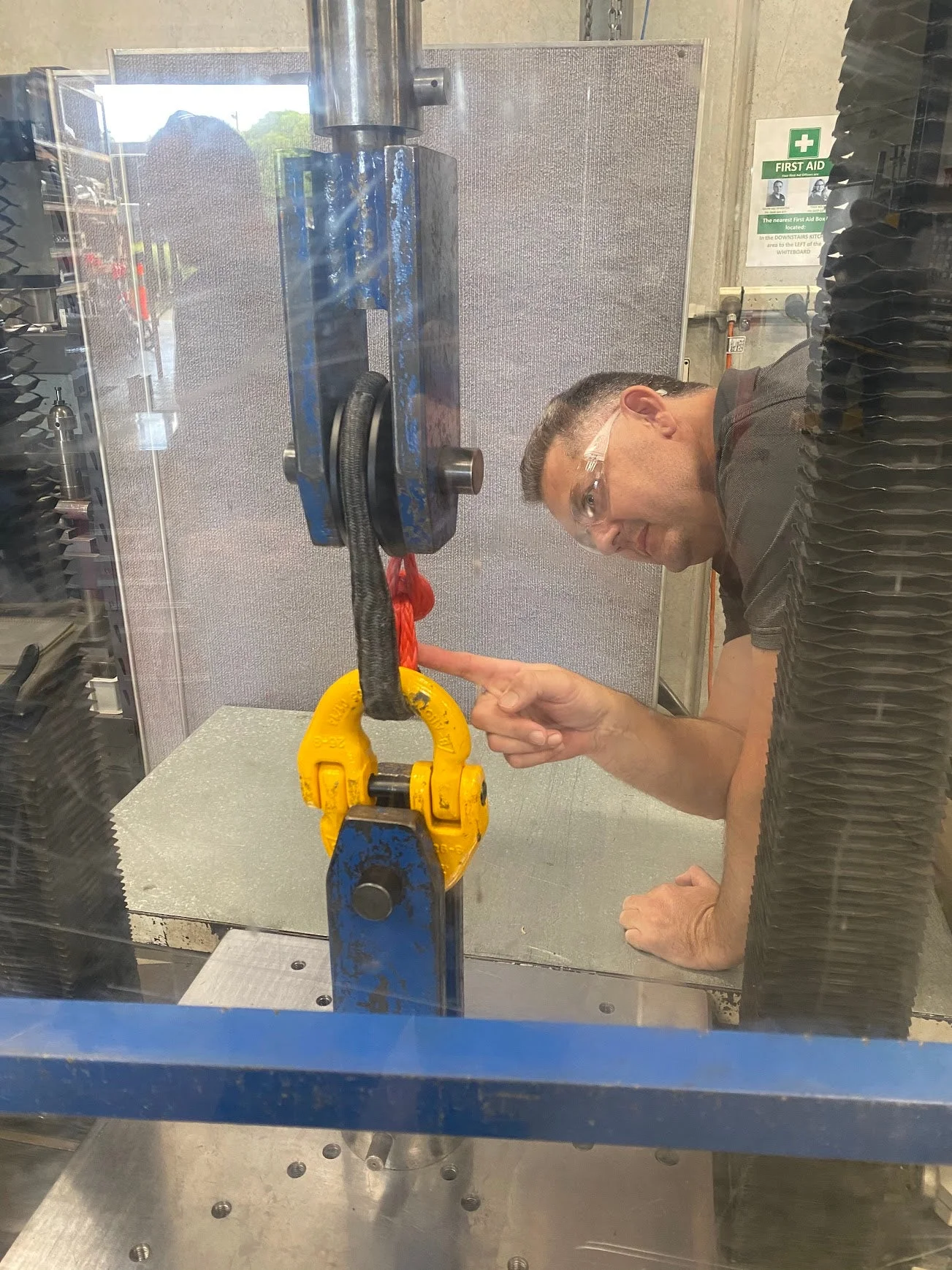
NATA-accredited lab technician inspecting a soft shackle rigged into a hydraulic test frame before a destructive pull test

9. Real-World Performance You Can Trust

Every batch of Saber shackles is independently tested and rated. Whether you're on the beach or in the High Country, you can rely on Saber Offroad's consistency and strength.

Our soft shackles are trusted by Fire Rescue teams across Australia, the Australian Defence Force, 4WD professional recovery operators and adventurers across Australia — built to outperform, not just impress.

10. The Saber Offroad Difference

Each Saber soft shackle is the product of years of R&D and real-world testing. Lightweight, flexible, and incredibly strong — designed to work with your recovery gear, not against it.

Because in recovery, there's no room for compromise.
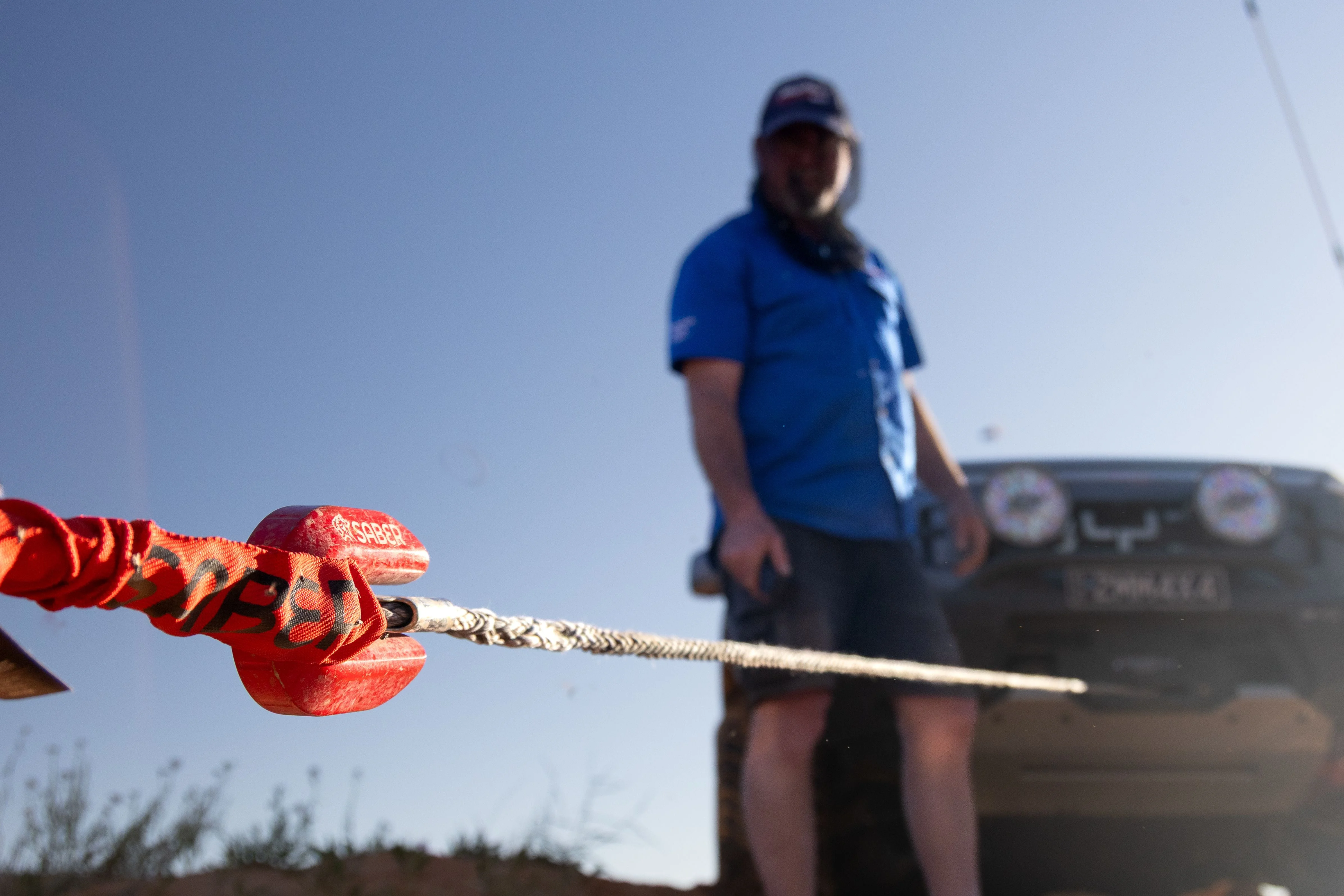
Red Saber soft shackle held up close to camera with a person and 4WD standing out of focus in the outback background

Saber. The Gear To Get You Home.

Explore the Saber soft shackle range, or got a question about the right recovery gear for your setup? Get in touch with the Saber Offroad team.

Tags:
Recovery Equipment
Buyers Guides
News